


Prof. Dr. Anne Böckler-Raettig
Institute of Psychology, Research Methods & Social Cognition, Julius-Maximilian-Universität Würzburg
Prof. Dr. Anne Böckler-Raettig studied psychology in Berlin and Glasgow and received her doctorate from Radboud University Nijmegen in 2012. Research stays took her to Princeton University, among other places, as a visiting research collaborator. After working as a postdoctoral researcher at the Max-Planck-Institute for Human Cognitive and Brain Sciences in Leipzig from 2012 to 2015, she became a junior professor at the University of Würzburg and a professor of general psychology at Leibniz University Hannover. Since 2021, she has been Professor of Research Methods and Social Cognition at the University of Würzburg. Since 2018, she has also headed an Emmy Noether Junior Research Group on the processing of eye contact. Her research focuses on gaze processing and gaze behavior, social cognition, prosocial behavior, and cooperation. Other areas of her research include the development of social processes, clinical issues, and the psychological effects of meditation. In addition to her research, she is active in various university committees and is involved as a liaison professor for the German National Academic Foundation. She has also published books such as Social Cognition and Interaction and Theory of Mind.
Prof. Dr. Lynn Huestegge is Principal Investigator of the project Decoding the semantics of basic gaze patterns.
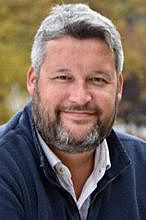
Prof. Dr. Rouwen Cañal Bruland
Institut für Sportwissenschaft, Bewegungs- und Sportpsychologie, Friedrich-Schiller-Universität Jena
Prof. Dr. Rouwen Cañal Bruland has been Professor of Exercise and Sport Psychology at Friedrich Schiller University Jena since 2016. He received his doctorate from the University of Münster in 2007 and was Assistant Professor at Vrije Universiteit Amsterdam from 2008 to 2016. Other stages in his career include visiting professorships at Loughborough University (2023–2026) and the University of British Columbia (2023), as well as international research stays in Liverpool, Hong Kong and Virginia, among other places. His research focuses on motor learning and control, embodied cognition, perception-action coupling, expertise research, visual perception, attention, anticipation, and social interactions in sports. He is the principal investigator in several DFG and foundation-funded projects and holds numerous academic positions, including deputy director of the Institute of Sports Science at FSU Jena, member of the faculty council, and spokesperson for the sports psychology section of the German Psychological Society. He is also associate editor of Psychology of Sport and Exercise and Human Movement Science.
Prof. Dr. Rouwen Cañal Burland is Principal Investigator of the project GazeACT.

Dr. Babette Bühler
Human-Centered Technologies for Learning, Technical University of Munich
Dr. Babette Bühler is a postdoctoral researcher at the Chair of Human-Centred Technologies for Learning at the Technical University of Munich. She completed her PhD in computer science at the University of Tübingen, where she conducted research at the Hector Research Institute of Education Sciences and Psychology and the LEAD Graduate School & Research Network. Prior to that, she completed a master's degree in data science and a bachelor's degree in sociology at the University of Mannheim.Her research focuses on the intersection of artificial intelligence and educational research. She is involved in the development of multimodal models that integrate eye tracking, video, physiological signals and text data to capture attention, mind-wandering and interaction dynamics in learning. A research stay at the Emotive Computing Lab at the University of Colorado Boulder deepened her work on the generalisability of video-based attention models.
Dr. Babette Bühler is Principal Investigator of the project AEyeCol.
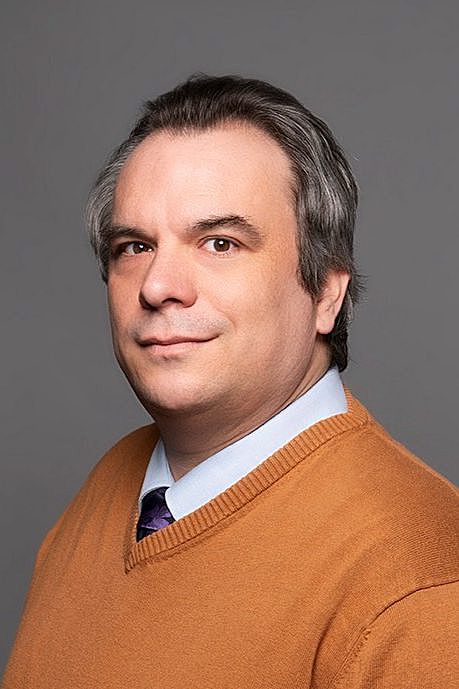
Prof. Dr. Wolfgang Einhäuser-Treyer
Institute of Physics, Physics of Cognition Group, Technische Universität Chemnitz
Prof. Dr. Wolfgang Einhäuser-Treyer has been Professor of Physics of Cognitive Processes at Chemnitz University of Technology since 2015. He studied physics in Heidelberg and Zurich and earned his diploma from ETH Zurich in 2001, followed by a PhD in neuroinformatics in 2004. He then conducted research as a postdoctoral fellow at the California Institute of Technology and at the Institute of Neuroinformatics at ETH Zurich and the University of Zurich. From 2008 to 2015, he served as a Junior Professor of neurophysics at Philipps University Marburg. He is also a member of several academic committees and serves on the editorial board of the Journal of Vision and the academic editorial team of PLOS Computational Biology, among others.
Prof. Dr. Wolfgang Einhäuser-Treyer is Principal Investigator of the project Understanding Gaze in Incidental Encounters.
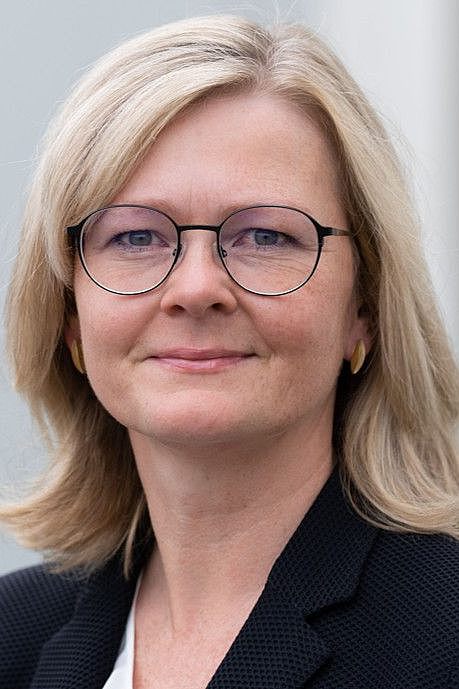
Prof. Dr. Katja Fiehler
Abteilung Allgemeine Psychologie, Arbeitsgruppe Wahrnehmung und Handlung, Justus-Liebig-Universität Gießen
Prof. Dr. Katja Fiehler studied psychology at Dresden University of Technology and received her doctorate in 2005 from the Max-Planck-Institute for Human Cognitive and Brain Sciences in Leipzig. She then worked as a research assistant and assistant professor at Philipps University of Marburg, where she habilitated in psychology in 2011. She then accepted a position at Justus Liebig University Giessen, initially as a Heisenberg Professor (W2, 2011–2016), and later as Professor of Experimental Psychology “Perception & Action” (W2, 2016–2020). She has been a W3 professor there since 2020. Her research topics include sensorimotor prediction processes, goal-directed movement control, perception and action in 3D space, virtual reality methods, body perception and agency, and attention control in gaze and grasping movements. She is also active in several scientific leadership roles, including in DFG-funded collaborative projects.
Prof. Dr. Katja Fiehler is Principal Investigator of the project GazeACT.
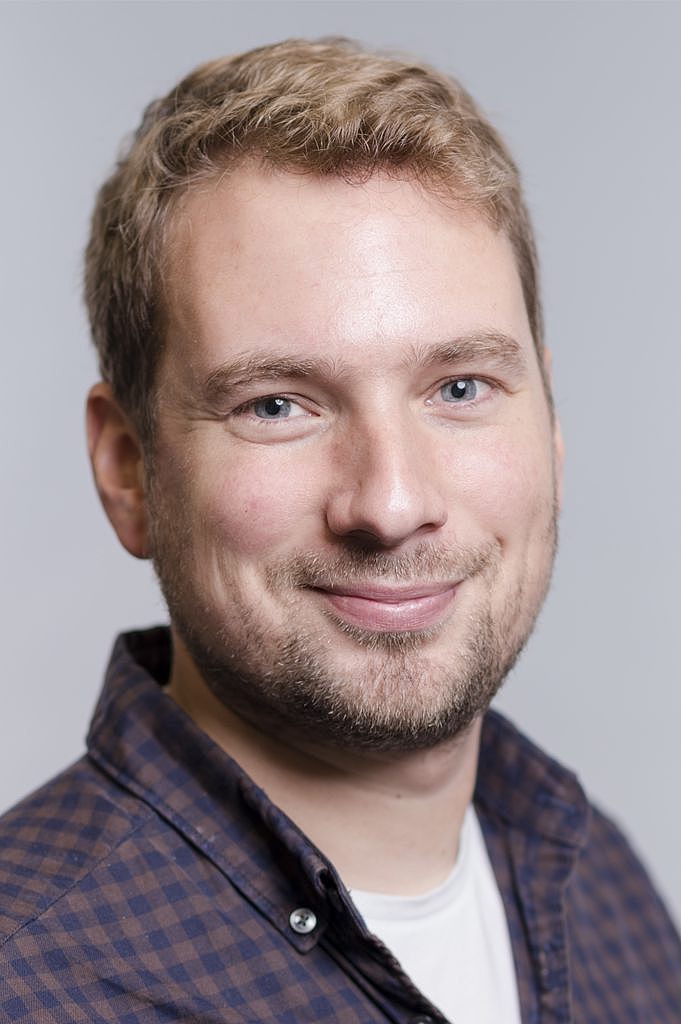
Dr. Tim Fütterer
Hector Research Institute of Education Sciences and Psychology, University of Tübingen
Dr. Tim Fütterer has been a postdoctoral researcher at the Hector Institute for Empirical Educational Research at the University of Tübingen since 2018. He studied to become. teacher of mathematics and economics/politics at Christian Albrecht University in Kiel, where he also obtained his doctorate in empirical educational research. His research focuses on AI-based methods for analysing multimodal teaching data, adaptive teacher training, and digitally supported teaching quality. He also investigates the interaction between artificial intelligence and self-regulation in the learning process. He is involved in several third-party funded projects and is a member of numerous professional networks. Research stays have taken him to the Centre for Educational Measurement at the University of Oslo and the Graduate School of Education at Stanford University, among others.
Dr. Tim Fütterer is Principal Investigator of the project AEyeCol.
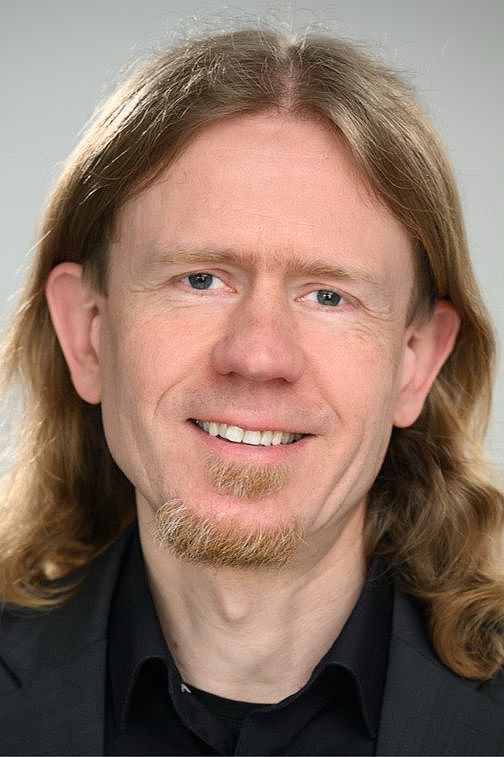
Prof. Dr. Matthias Gamer
Experimental Clinical Psychology, Department of Psychology, University of Würzburg
Prof. Dr. Matthias Gamer studied psychology at Johannes Gutenberg University Mainz and graduated in 2003. From 2003 to 2008, he was a research assistant in general experimental psychology, where he earned his doctorate with honors in 2008. As a postdoctoral researcher, he moved to the Institute for Systemic Neuroscience at the University Medical Center Hamburg-Eppendorf from 2008 to 2011. There, he subsequently headed the “Social and Applied Psychophysiology” working group from 2011 to 2015. Since 2015, he has been Professor (W2) of Experimental Clinical Psychology at the University of Würzburg. His research focuses on social attention, emotional learning processes, psychophysiology, neural mechanisms of social evaluation, and clinically relevant processes of anxiety and avoidance. He has been or is currently the principal investigator in numerous third-party funded projects, including an ERC Starting Grant and several DFG collaborative and individual projects. He is also a member of various scientific societies and a founding member of the European E-PRODD consortium. Furthermore, he is involved as an associate editor and reviewer for numerous international journals and funding organizations.
Prof. Dr. Matthias Gamer is Principal Investigator of the project Impact of social anxiety on gaze perception and dynamics in interactive settings.

Prof. Dr. Martine Grice
Institute for Linguistics – Phonetics, University of Cologne
Prof. Dr. Martine Grice is Professor of Phonetics at the Institute of Linguistics at the University of Cologne. She served on the board of the Collaborative Research Centre ‘Prominence in Language’ for many years and is Principal Investigator of the Key Profile Area ‘Skills and Structures in Language and Cognition’ at the University of Cologne. She is also committed to fair open access publications, serves on the Advisory Board of Language Science Press and is editor of the series Studies in Laboratory Phonology. Her research focuses on intonation, prosody, laboratory phonology and phonological theory. In particular, she investigates intonational categories, their phonic correlates and their functions in perception, pragmatics and interaction. She was also president of the Association for Laboratory Phonology and founded the conference series Phonetics and Phonology in Europe. In addition, she is a member of several international advisory boards and editorial boards, including Journal of Phonetics, Laboratory Phonology and Italian Journal of Linguistics.
Prof. Dr. Martine Grice is Principal Investigator of the project CUE.

Dr. Daniel Gromer
Clinical Psychology and Psychotherapy, Department of Psychology, University of Würzburg
Dr. Daniel Gromer studied psychology at the University of Würzburg from 2008 to 2013 and received his doctorate in neuroscience from the Graduate School of Life Sciences at the University of Würzburg in 2020. At the same time, he completed his training as a psychological psychotherapist specializing in behavioral therapy from 2015 to 2022 and received his license to practice in 2022. Between 2013 and 2017 and from 2018 to 2024, he was a research assistant in the Biological Psychology, Clinical Psychology, and Psychotherapy working group at the Chair of Psychology I in Würzburg. He also worked in psychiatric and psychosomatic care at the University Hospital of Würzburg. Since 2024, he has been working at the University Outpatient Clinic and Research Unit for Psychotherapy. His research focuses on anxiety disorders, the mechanisms of action of exposure therapy, and immersion and presence in virtual reality.
Dr. Daniel Gromer is Principal Investigator of the Project Impact of social anxiety and gaze perception and dynamics in interactive settings.

Dr. Alexandra Hoffmann
Department of Psychology, General & Cognitive Psychology, University of Innsbruck
Dr. Alexandra Hoffmann is a postdoctoral researcher at the Department of Psychology at the University of Innsbruck. She studied psychology at the University of Innsbruck and completed her PhD at UMIT Tirol, where she researched the psychophysiological basis of cognitive impairments in major depression. After completing her doctorate, she shifted her focus more towards general psychology and has since been working extensively with eye-tracking and psychophysiological methods. Her current research investigates gaze behaviour in social contexts, in particular using mobile eye-tracking in natural interactions. She is dedicated to better understanding the mechanisms of social attention, perception and mutual coordination.
Dr. Alexandra Hoffmann is Principal Investigator of the project Mutual eye contact and blink synchronization as predictors for successful cooperation.

Prof. Dr. Anke Huckauf
Experimental Psychology, Institute of Psychology and Education, Faculty of Engineering, Computer Science, and Psychology, Ulm University
Prof. Dr. Anke Huckauf has published more than 100 research articles on basic perception as well as on applied topics of eye input and gaze-based interaction. She has organized several international and national events, and has served as member of editorial boards. Anke Huckauf studied psychology at universities of Frankfurt/Main, Mainz, and RWTH Aachen, where she also received her PhD. She headed a Juniorprofessorship at the faculty Media, Bauhaus-University in Weimar. Since 2009, she holds a full professorship for General Psychology at Ulm University, Germany. Her main research interests are on perception out of focus and gaze-based interaction.
Prof. Dr. Anke Huckauf is Principal Investigator of the project Playing Eyes.
Prof. Dr. Lynn Huestegge
Institute of Psychology, Psychological Methods, Cognition and Applied Research, Julius-Maximilians-Universität Würzburg
Prof. Dr. Lynn Huestegge studied psychology and philosophy in Göttingen and Aachen and received his doctorate from Bielefeld University in 2006. He habilitated in psychology on the role of eye movements in multitasking in 2011. Since 2013, he has been Professor of Research Methods at the University of Würzburg, where he combines research and teaching on cognitive processes and methodological foundations. His scientific work deals with the flexibility of cognitive control mechanisms, with research focuses including action control, multitasking, eye movements, visual attention, and visual and social cognition. A key methodological focus of his work is the use of eye tracking to analyze visual information intake and gaze control. His work ranges from basic research on gaze control and visual orientation to application-oriented areas, such as reading, automation and traffic psychology.
Prof. Dr. Lynn Huestegge is Principal Investigator of the project Decoding the semantics of basic gaze patterns.
Dr. Mathis Jording
Department of Psychiatry and Psychotherapy, University Hospital Cologne
Institute of Neuroscience & Medicine (INM-3), Research Centre Jülich
Dr. Mathis Jording is a research assistant at Cologne University Hospital and at the Institute of Neuroscience & Medicine (INM-3) at Forschungszentrum Jülich. He works in the Social Cognition working group at Uniklinik Köln, which investigates social perception and decision-making processes and how they change in psychiatric disorders. His research focuses on social cognition, gaze processing and visual attention, in particular the derivation of social intentions from gaze signals and their role in interpersonal interactions. He is also interested in experimental and physiological methods for investigating social information processing.
Dr. Mathis Jording is Principal Investigator of the project CUE.
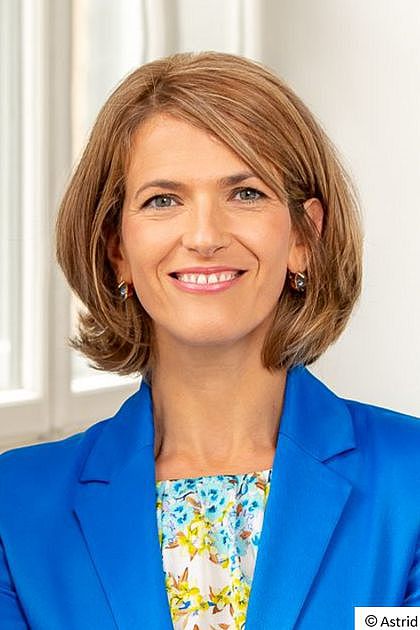
Prof. Dr. Enkelejda Kasneci
Human-Centered Technologies for Learning, TUM School of Social Sciences and Technology, Technical University of Munich
Prof. Dr. Enkelejda Kasneci is a Distinguished Professor (Liesel Beckmann Distinguished Professor) of Human-Centered Technologies for Learning and Director of the TUM Center for Educational Technologies. She received her MSc in computer science from the University of Stuttgart and her PhD in computer science from the University of Tübingen in 2013. Afterwards, she was a Margarete von Wrangell Fellow (2013-2015), assistant professor of Perception Engineering (2015-2019), and professor of Human-Computer Interaction (2019-2022) at the University of Tübingen. Her research evolves around human-centered technologies, emphasizing the crossroads between multimodal interaction and cutting-edge technological tools, such as VR, AR, and eye-tracking methodologies. Her research incorporates artificial intelligence to foster and facilitate the emergence of innovative learning paradigms. By investigating these interdisciplinary areas, Prof. Kasneci aims to enhance educational experiences and promote a more profound understanding of the intricate interplay between humans and technology.
Prof. Dr. Enkelejda Kasneci is Principal Investigator of the project AEyeCol.
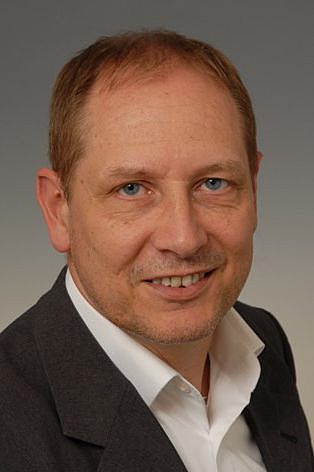
Prof. Dr. Torsten Wolfgang Kuhlen
Visual Computing Institute, Virtual Reality & Immersive Visualization, RWTH Aachen University
Prof. Dr. Torsten W. Kuhlen studied computer science at RWTH Aachen University, graduating in 1992 and obtaining his doctorate in computer science there in 1997. He then worked as a research scientist at RWTH Aachen University from 1997 to 2014, as well as at Forschungszentrum Jülich from 2014 to 2015. From 2008 to 2015, he was an adjunct professor at RWTH Aachen University, in 2015 he was appointed full professor of virtual reality and immersive visualisation at RWTH Aachen University. His research focuses on virtual reality, immersive visualisation and interactive 3D systems. He develops VR methods for spatial exploration of complex data, investigates navigation and interaction concepts and works on immersive application-oriented visual analytics approaches. He heads the ‘Virtual Reality & Immersive Visualisation’ team and is involved in numerous interdisciplinary projects.
Prof. Dr. Tosrten W. Kuhlen is Principal Investigator of the project CrowdGaze.
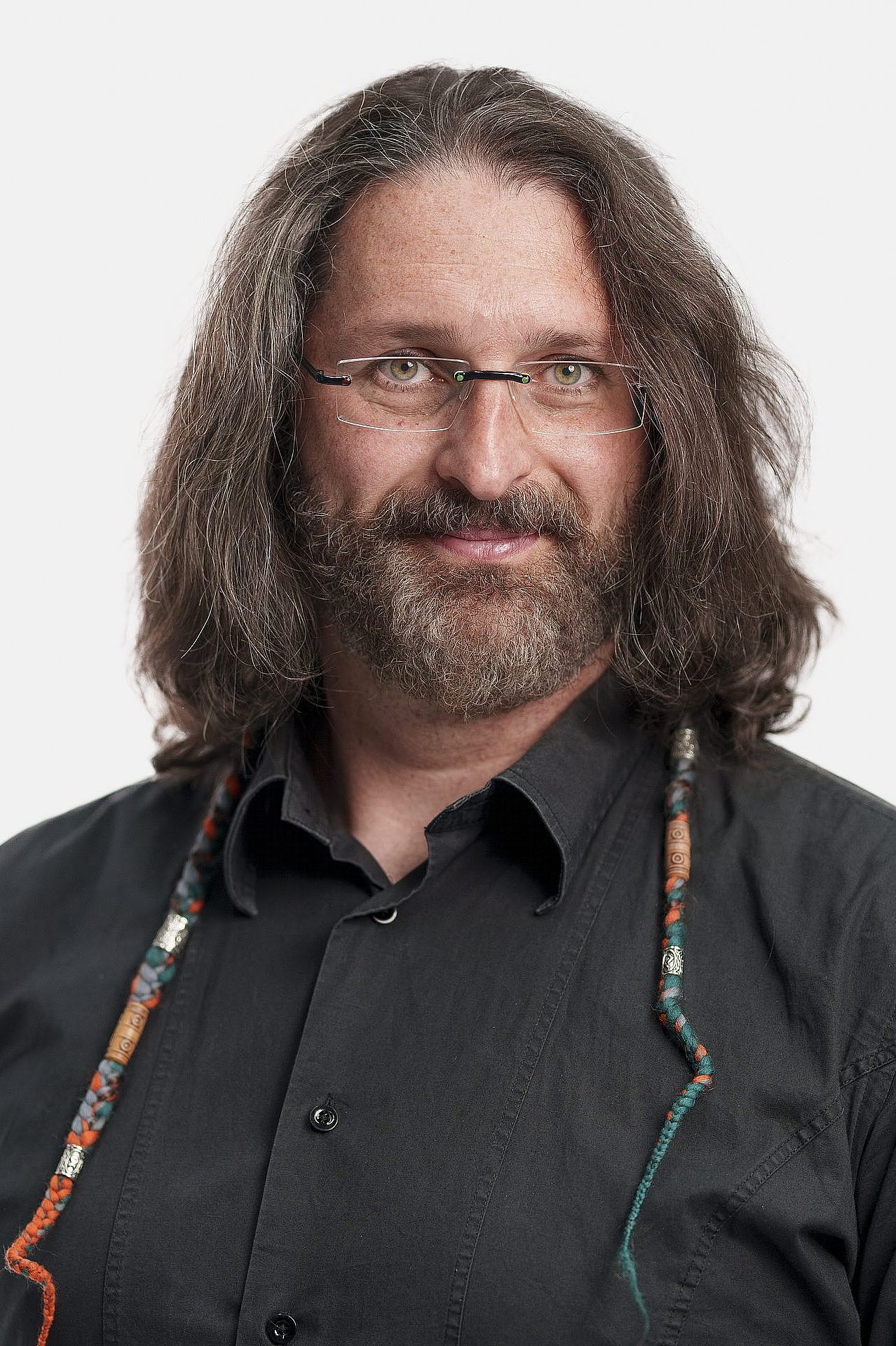
Dr. Senya Polikovsky
Optics and Sensing Lab (OSLab), MPI for Intelligent Systems, Tübingen
Dr. Senya Polikovsky has been a research engineer at the Optics and Sensing Laboratory of the Max Planck Institute for Intelligent Systems in Tübingen since 2014. He develops algorithms and sensor systems for multimodal data acquisition, image processing and precise motion analysis, which are used in robotic perception and human sensing applications. He studied Electronic and Communication Engineering at the Holon Institute of Technology and subsequently obtained an M.Sc. and a PhD in Computer Vision from the University of Tsukuba. Before joining the MPI, he worked as a Research Fellow at the Centre for Computational Sciences in Tsukuba. He has also worked on several industrial development projects in image processing, photogrammetry and sensor technologies.
Dr. Senya Polikovsky is Principal Investigator of the project WeGaze.
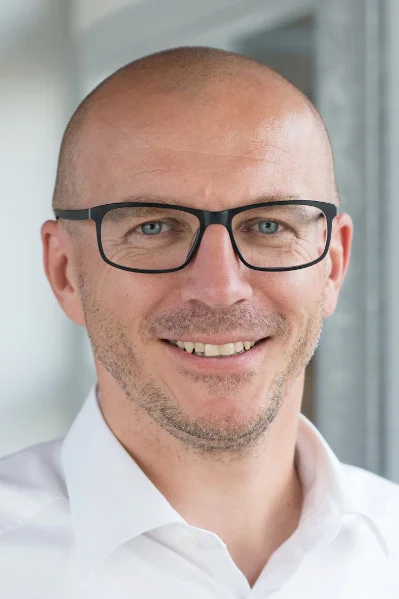
Prof. Dr. Enrico Rukzio
Human-Computer Interaction group, Institute of Media Informatics, Faculty of Engineering, Computer Science, and Psychology, Ulm University
Prof. Dr. Enrico Rukzio studied computer science at TU Dresden and received his doctorate from LMU Munich in 2007. After holding academic positions at TU Dresden and LMU, he was a lecturer at Lancaster University from 2013 to 2016 and an assistant professor at the University of Duisburg-Essen from 2010 to 2012. Since 2012, he has been Professor of Human-Computer Interaction at the University of Ulm, where he heads the Human-Computer Interaction Group and the Institute for Media Research and Media Development. His research focuses on interactive and everyday technologies, including gaze-based interfaces, extended and mixed reality, automotive interfaces and digital health applications. He also serves on academic boards and programme committees of international HCI conferences.
Prof. Dr. Enrico Rukzio is Principal Investigator of the project Playing Eyes.
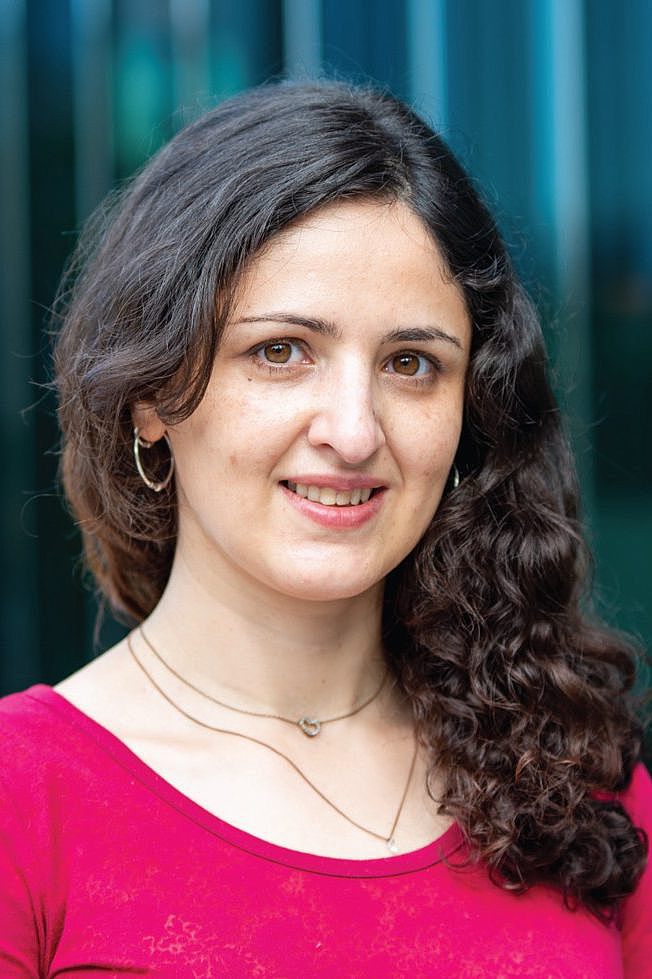
Dr. Neda Shahidi
Head of the Early Career Research Group „Embodied Cognition“, University of Göttingen
Dr. Neda Shahidi studied Electrical and Computer Engineering at the University of Tehran from 1999 to 2004 and at the University of Texas at Austin from 2007 to 2010. From 2011 to 2018, she was a doctoral student and graduate research assistant at the University of Texas Health Science Centre at Houston, where she obtained her PhD in neuroscience in 2018. Since 2018, she has been conducting research at the University Medical Centre Göttingen, between 2020 and 2023, she was also a postdoctoral researcher at the German Primate Centre. Since 2023, she has been leading the Early Career Research Group ‘Embodied Cognition’ in SFB 1528 ‘Cognition of Interaction’ at the University of Göttingen in cooperation with the German Primate Centre. Her research investigates the neural basis of ecologically relevant decisions and the relationships between bodily states and decision-making processes. In addition, she has been involved in science communication for many years, including as a lecturer in the brainSTEM programme at various US universities.
Dr. Neda Shahidi is Principal Investigator of the project How do primates interpret and respond to others' intentions by observing their gazes?.
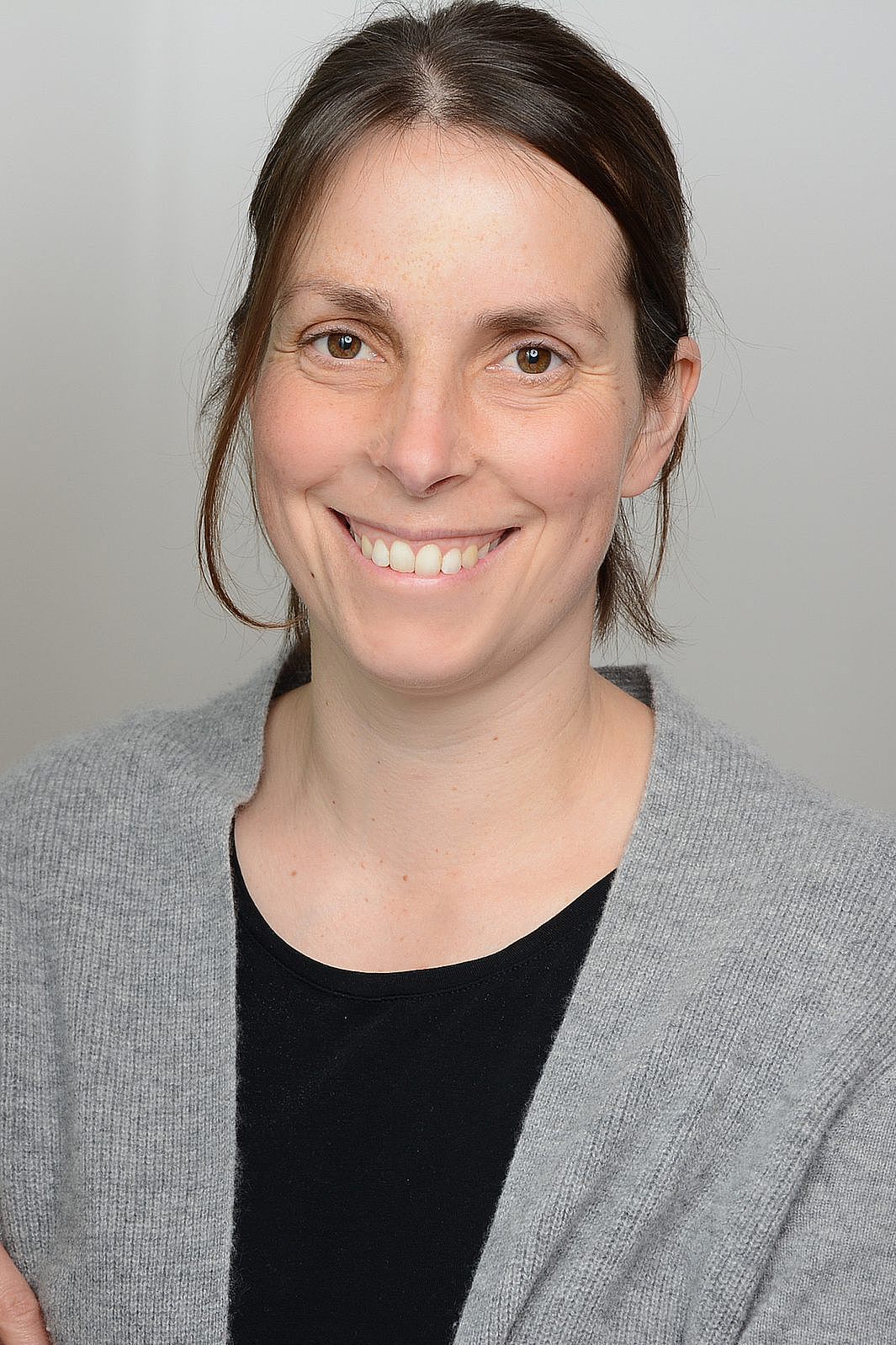
Prof. Dr. Anna Sieben
Institute for Advanced Simulation (IAS-7), Civil Safety Research, Forschungszentrum Jülich
Prof. Dr. Anna Sieben has been Jülich professor in social psychology at the University of Wuppertal and the Forschungszentrum Jülich since 2024. Her research focuses on social behaviour in crowds and pedestrian groups, social norms, body-based communication, stress, and motivational processes, as well as behaviour in critical crowd situations. She completed her diploma in psychology at the universities of Freiburg and Cologne between 2002 and 2007, subsequently completing a master's degree in Gender & Culture at Goldsmiths, University of London. She obtained her doctorate at Ruhr University Bochum in 2013 and was habilitated there in 2022. From 2022 to 2024, she was an associate professor at the University of St Gallen in Switzerland.
Prof. Dr. Anna Sieben is Principal Investigator of the project CrowdGaze.
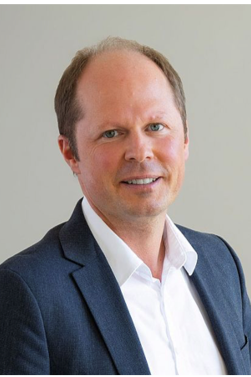
Dr. Ulrich Trautwein
Hector Research Institute of Education Sciences and Psychology, University of Tübingen
Prof. Dr. Ulrich Trautwein is Professor of Empirical Educational Research at the University of Tübingen, Managing Director of the Hector Research Institute of Education Sciences and Psychology, and Co-Director of the LEAD Graduate School & Research Network. After holding academic positions at the Max Planck Institute for Human Development, he took up the chair in Tübingen in 2008. His research investigates learning and performance development, in particular motivation, self-regulation, teaching quality, digital learning settings, and gifted education. Methodologically, he works with large-scale field studies and increasingly uses AI-based approaches to analyse learning processes. Trautwein is a member of several scientific advisory boards and has been chairman of the Scientific Advisory Board of the Baden-Württemberg Ministry of Education and Cultural Affairs since 2017. He has been awarded the Otto Hahn Medal, the CORECHED Prize and the DGP Young Scientist Award, among others, for his achievements. In 2024, he was honoured as an AERA Fellow.
Prof. Dr. Ulrich Trautwein is Principal Investigator of the project AEyeCol.